Table of Contents
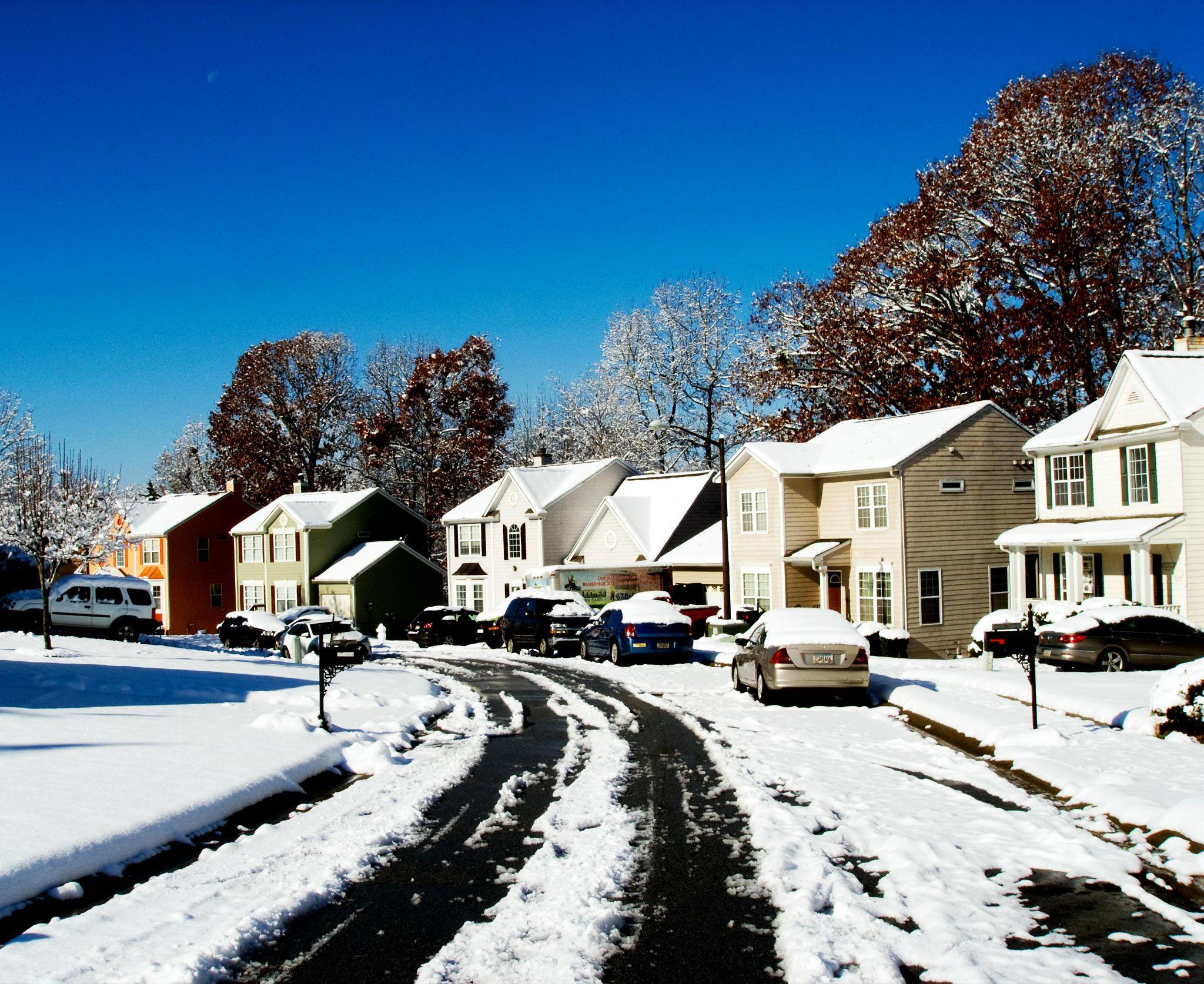
Green Bay winters have always been demanding, but residents are now noticing a quieter, more insidious problem: sidewalks that crack, tilt, and sink far sooner than expected.
The culprit is the recent surge in rapid freeze–thaw cycles—temperature swings that cause moisture inside concrete to repeatedly freeze, expand, thaw, and refreeze until the slab begins to break down. The result is a patchwork of uneven sidewalks that become both unsightly and hazardous.
As homeowners and city crews search for solutions that don’t involve full-scale replacement, modern techniques such as Concrete Lifting Green Bay are emerging as smarter, faster, and more resilient alternatives. This article explores why freeze–thaw damage is rising, why Green Bay is uniquely vulnerable, and the new repair method that cities across the Midwest are embracing.
The Rising Threat of Freeze–Thaw Cycles
Concrete is porous by nature, and that porosity becomes a liability whenever temperatures hover near the freezing point.
Water seeps into the slab, freezes, expands by nearly nine percent, and exerts internal pressure that gradually widens microscopic cracks. One freeze–thaw cycle might cause little harm. Dozens, sometimes occurring in a single month, create cumulative stress that weakens sidewalks far faster than their design intended.
Climate data from the Wisconsin State Climatology Office shows that winters in the region now fluctuate more frequently between above-freezing and below-freezing temperatures. These swings are far more damaging than long, steady periods of deep cold.
Every time the temperature rises and falls across the 32°F threshold, the freeze–thaw cycle repeats. In a typical Green Bay winter, that may happen dozens of times; each one a subtle blow that eventually becomes visible as cracks, heaving, and slab settlement.
Why Green Bay Is Particularly Vulnerable
Although freeze–thaw damage affects many northern cities, Green Bay’s climate and soil conditions intensify the problem. The city’s proximity to Lake Michigan means winters often bring heavier, wetter snow.
Wet snow saturates concrete much more thoroughly than the light, powdery snow of colder inland regions. The more water a slab absorbs, the more internal pressure it experiences during freezing.
Compounding this moisture load is the region’s increase in midwinter thaws. A day or two of mild temperatures might seem like a welcome break, but for concrete, it simply means more cycles of expansion and contraction.
The National Weather Service’s Wisconsin climate summaries show a distinct rise in these thaw events over the past several decades, contributing to a level of structural fatigue that older sidewalks were never engineered to withstand.
Beneath the sidewalks, the soil is another complicating factor. Sections of Green Bay have clay-rich soils that expand significantly when frozen and contract during thawing. This frost heave can lift slabs at odd angles, only for them to settle unevenly as the soil relaxes again.
Even newer sidewalks can become uneven after a single winter season if the soil conditions and moisture levels align poorly. And because many sidewalks in the city are now several decades old, their age only magnifies the effects of modern climate variability.
The Hidden Costs of Failing Sidewalks
Sidewalk issues rarely begin dramatically. A hairline crack here, a slight tilt there—these seem harmless at first. But the consequences accumulate quickly. An uneven sidewalk poses a real safety hazard, especially for older adults, children, and people with mobility challenges.
Trip-and-fall injuries are one of the leading causes of municipal claims nationwide, and Green Bay is no exception. Under local public works guidelines, homeowners may also bear responsibility for maintaining the sidewalks adjacent to their property, meaning liability and repair obligations can fall on residents if hazards are left unaddressed.
Beyond safety concerns, deteriorating sidewalks affect neighborhood walkability and accessibility. A small raised edge between slabs can make a route effectively unusable for wheelchairs, strollers, or walkers.
Cracks invite water to penetrate deeper, which accelerates both slab deterioration and soil washout underneath. What begins as a minor nuisance can quickly escalate into a costly repair if ignored for even a season or two. And as cities across the Midwest face tighter public works budgets, deferred maintenance only amplifies long-term costs.
Why Traditional Repairs Fall Short
For decades, the standard response to sidewalk damage has been either grinding down raised sections or replacing slabs entirely. Grinding has its place—it can smooth small height differences—but it does nothing to correct soil voids or future movement.
It is purely cosmetic, and in many cases, a temporary fix. Meanwhile, full replacement is slow, disruptive, and expensive. Crews must demolish the existing slab, haul away debris, repour concrete, and wait for it to cure. In northern climates, replacement work is often restricted to warmer months, creating seasonal backlogs and delaying repairs long after a hazard has been identified.
What makes these traditional methods increasingly inadequate is the pace of modern freeze–thaw damage. Climate variability is outrunning the maintenance cycles cities once relied on.
Even newly replaced slabs can crack and shift within a few years if the soil conditions or moisture levels remain unstable. Municipalities need a technique that addresses the problem at its root, instability below the slab, without the delays and heavy costs of replacement.
The New Solution: Concrete Lifting
Concrete lifting, also known as slabjacking, has emerged as a preferred method for restoring uneven sidewalks without tearing them out. Instead of replacing concrete, technicians drill a few small holes through the slab and inject material underneath it.
This fills voids, stabilizes the soil, and lifts the slab back into correct alignment. Cities throughout Wisconsin, Minnesota, and Michigan have adopted lifting as a core part of their sidewalk maintenance programs because it offers a balance of speed, affordability, and durability that traditional methods cannot match.
Two primary lifting approaches exist: mudjacking and polyurethane foam injection. Mudjacking uses a slurry mixture of water, soil, and cement to raise slabs.
Foam injection uses an expanding polyurethane foam that lifts and stabilizes the concrete with remarkable precision. While both methods are effective, foam injection has become increasingly favored in freeze–thaw climates because the material is lightweight, water-resistant, and long-lasting.
Perhaps the most significant advantage of lifting is that it directly addresses the underlying soil instability that causes slabs to sink in the first place. When voids form under sidewalks, usually from water washout, soil contraction, or frost heave, traditional repairs simply mask the symptoms.
Lifting fills these voids, reestablishes support, and prevents further deterioration. It is a structural fix rather than a surface patch.
Conclusion
Extreme freeze–thaw cycles are quietly reshaping the durability of Green Bay’s sidewalks. Concrete that once withstood decades of winter now succumbs to rapid temperature swings, moisture-driven cracking, and shifting soil conditions.
Traditional repair methods are simply too slow and costly to keep pace with the escalating damage. Concrete lifting has emerged as the modern solution cities are relying on; an efficient, cost-effective, and long-lasting method that stabilizes sidewalks from below and resists the same forces that cause them to fail.
For homeowners and city planners alike, lifting offers a way to stay ahead of winter’s quiet assault on infrastructure. By addressing soil instability and preventing future damage, it preserves walkability, reduces liability, and protects aging concrete from the climate challenges that lie ahead.