Table of Contents
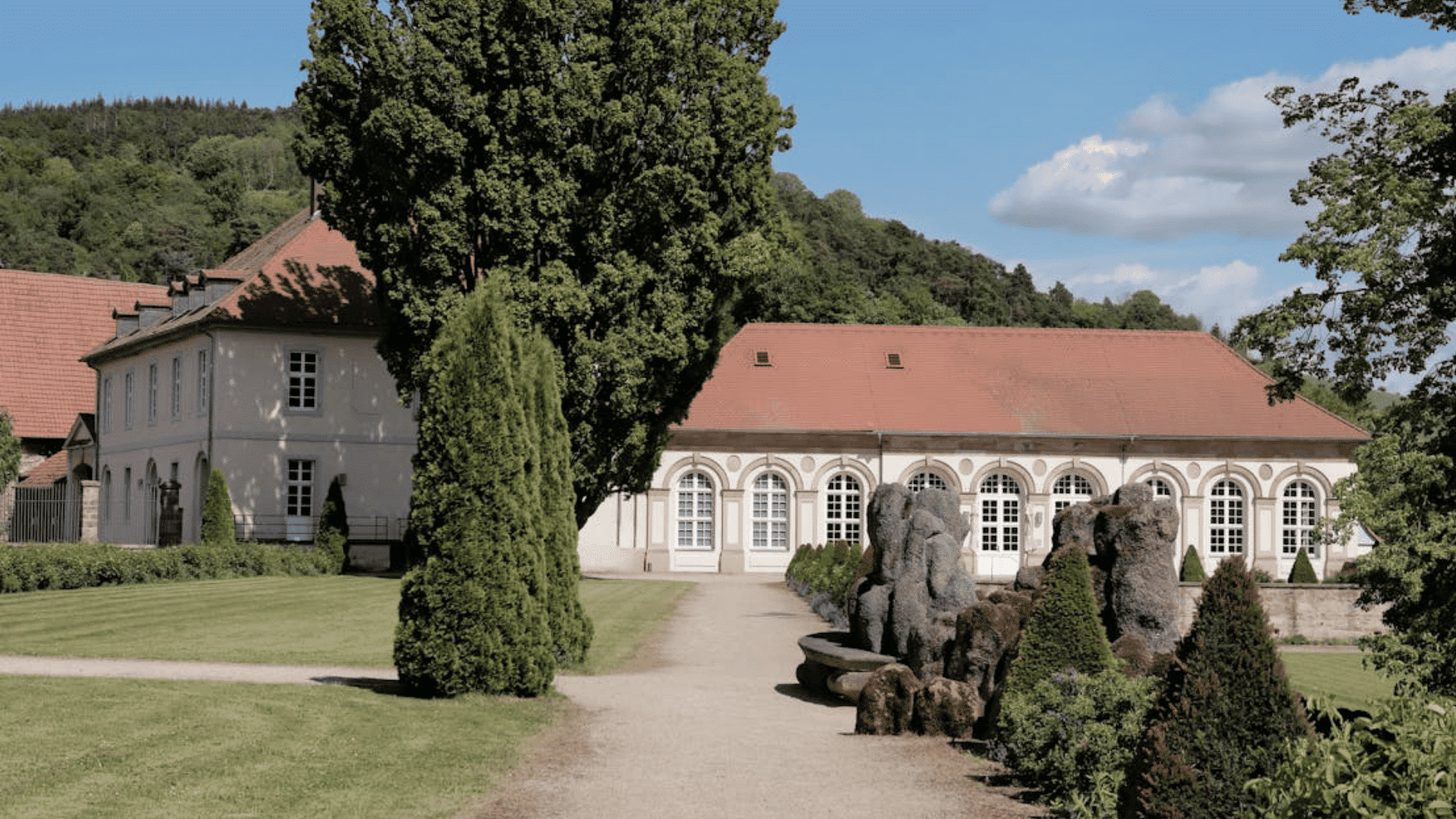
First impressions matter, especially when it comes to residential properties in Florida. From coastal communities to inland suburbs, homeowners are often surprised to learn how much impact trees have on curb appeal, safety, and long-term property value.
While landscaping trends come and go, proper tree maintenance remains one of the most overlooked yet valuable aspects of home care.
In Florida’s unique climate, trees grow quickly, and without regular attention, they can just as quickly become a liability rather than an asset.
Why Trees Play a Major Role in Curb Appeal
Healthy, well-maintained trees frame a home, provide natural shade, and create a welcoming appearance that immediately signals care and upkeep.
Overgrown branches, uneven canopies, or dead limbs do the opposite, they draw attention for the wrong reasons and can make an otherwise attractive home look neglected.
In competitive real estate markets, curb appeal can influence buyer perception before anyone steps inside. A tidy landscape with properly trimmed trees often suggests that the rest of the home has been equally well maintained.
This is why many Florida homeowners turn to experienced providers like Kap Tree Service when addressing tree health and appearance as part of overall property maintenance.
Tree Maintenance and Property Safety
Beyond aesthetics, tree maintenance directly affects safety. Florida storms, heavy rains, and hurricane seasons put stress on mature trees.
Weak branches, diseased limbs, or unbalanced growth can lead to fallen trees or damage to roofs, vehicles, fences, and power lines.
Routine trimming helps reduce wind resistance, removes compromised branches, and keeps trees structurally sound. Preventive maintenance is significantly less expensive than emergency cleanup after storm damage, and it helps protect both the home and surrounding properties.
How Tree Care Impacts Home Value
Real estate professionals often note that buyers are increasingly aware of outdoor maintenance costs. When trees appear unmanaged, buyers may factor future removal or repair expenses into their offers, or walk away entirely.
On the other hand, properly pruned trees:
- Enhance lot usability
- Improve natural lighting
- Reduce long-term maintenance concerns
- Signal responsible ownership
In many cases, modest investment in tree care can lead to a noticeable return by increasing perceived value and reducing objections during inspections.
Florida’s Climate Makes Tree Care Essential
Florida’s warm climate allows trees to grow year-round, but it also creates conditions for pests, fungal disease, and rapid overgrowth. What looks fine one season can become problematic the next if not monitored.
Homeowners often underestimate how quickly branches can encroach on roofs, sidewalks, or neighboring properties. Regular evaluations help catch issues early and keep growth balanced and controlled.
When to Address Tree Maintenance
Tree care isn’t just a reaction to visible problems. The best time to address maintenance is before issues become obvious. Signs that it may be time for professional evaluation include:
- Branches touching or overhanging the roof
- Trees leaning or growing unevenly
- Dead or cracking limbs
- Reduced sunlight due to dense canopies
- Storm season approaching
Scheduling maintenance proactively helps preserve tree health while avoiding emergency situations.
A Long-Term Investment in Your Home
Trees are one of the few landscape features that grow in value when properly cared for. They mature alongside the home, providing shade, privacy, and character that artificial features simply can’t replicate.
For Florida homeowners focused on protecting their investment, maintaining trees should be viewed as a long-term strategy rather than an occasional task. Consistent care not only enhances appearance today but helps ensure the property remains safe, attractive, and valuable for years to come.