Table of Contents
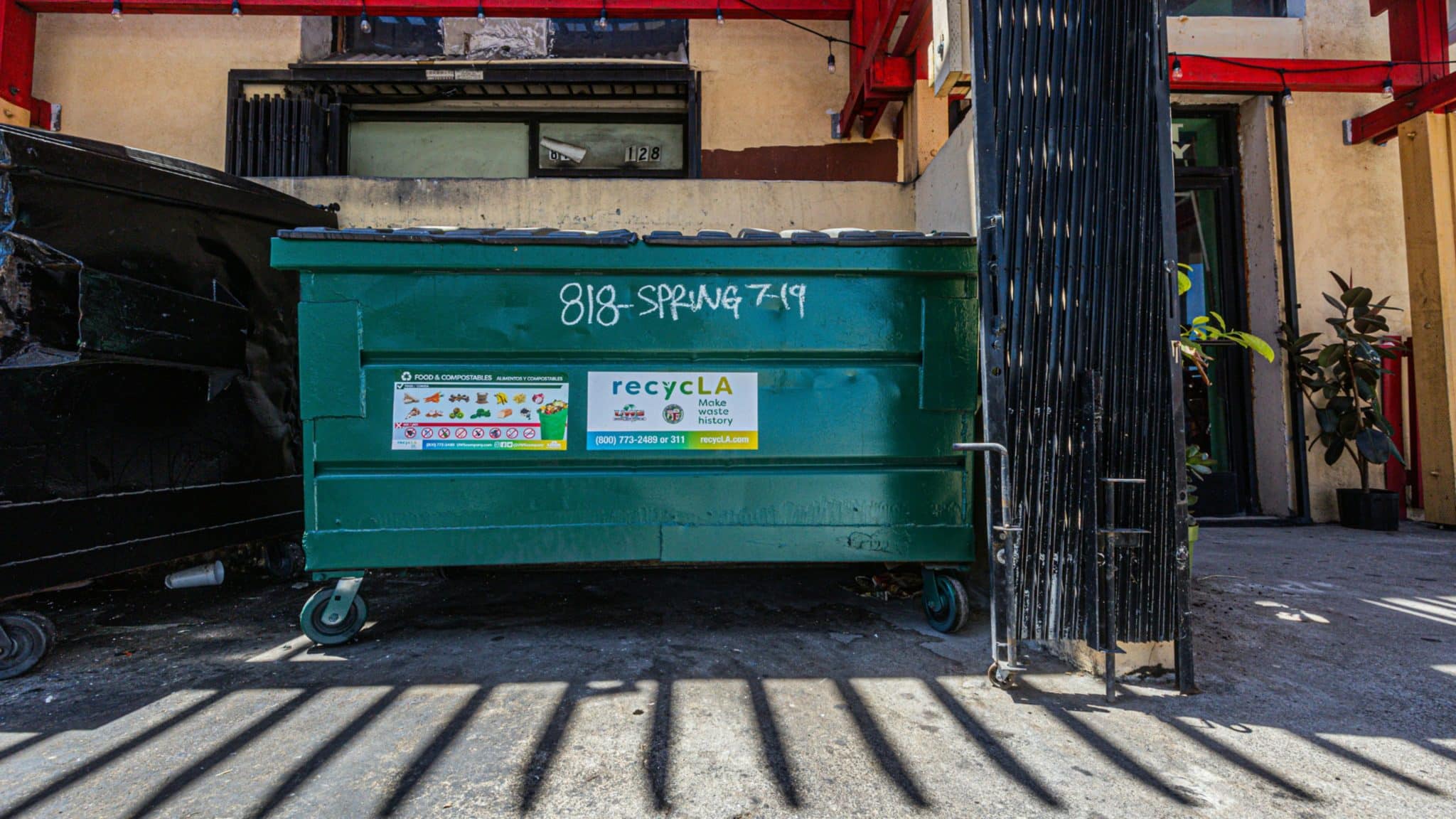
Renting a dumpster is a practical solution for managing waste during home cleanouts, renovations, and construction projects. However, one detail that often surprises people is the possibility of needing a permit before placing a dumpster on certain types of property. Understanding dumpster rental permit requirements ahead of time can help you avoid fines, delays, or unnecessary stress during your project.
What Is a Dumpster Rental Permit?
A dumpster rental permit is an authorization issued by a local city or municipality that allows a temporary dumpster to be placed in a public area. These permits are primarily used to regulate safety, accessibility, and public space usage. The rules can vary widely depending on where you live, which is why it’s important to research local guidelines before your dumpster arrives.
When You Typically Need a Dumpster Rental Permit

In most areas, a permit is required when a dumpster rental is placed on public property. Common situations include:
- Public streets or roadways
- Sidewalks or pedestrian walkways
- Alleyways or shared access roads
- Public parking spaces
Municipalities require permits in these cases to ensure that dumpsters do not block traffic, limit accessibility, or create safety hazards. Even if the dumpster only occupies public space for a short time, a permit may still be necessary.
When a Permit Is Usually Not Required
In many cases, a dumpster rental does not require a permit if it is placed entirely on private property. Examples include:
- Residential driveways
- Private construction sites
- Commercial parking lots
- Gated or privately owned land
If the dumpster remains fully within property boundaries and does not interfere with public access, permits are often unnecessary. That said, homeowners’ associations (HOAs) or property management companies may still have their own rules, so it’s wise to check those guidelines as well.
How Permit Requirements Vary by Location
Dumpster rental regulations are set at the local level, meaning requirements can differ from one city—or even one neighborhood—to another. Some municipalities charge a flat fee, while others calculate permit costs based on duration, dumpster size, or location. Permit timelines can also vary, with some cities issuing same-day approvals and others requiring several days of processing.
Because of this variability, local knowledge is key. Many experienced dumpster rental providers are familiar with municipal rules and can help renters understand what applies to their specific situation.
Consequences of Skipping a Required Permit
Failing to obtain a required dumpster rental permit can lead to fines, forced removal of the dumpster, or project delays. In some cases, the property owner—not the renter—may be held responsible for violations. Taking time to confirm permit needs beforehand can prevent costly surprises.
Tips for a Smooth Dumpster Rental Experience
To avoid complications, consider these best practices:
- Ask your city or local government about dumpster placement rules
- Confirm whether your location counts as public or private property
- Understand how long the dumpster will be on-site
- Check HOA or neighborhood regulations if applicable
Planning ahead ensures your dumpster rental supports your project instead of slowing it down.
Final Thoughts
Dumpster rental permits may seem like a small detail, but they play an important role in keeping projects compliant and hassle-free. By knowing when a permit is required—and when it isn’t—you can move forward confidently and keep your project on track. A little preparation goes a long way toward a smooth and successful dumpster rental experience.