
Table of Contents
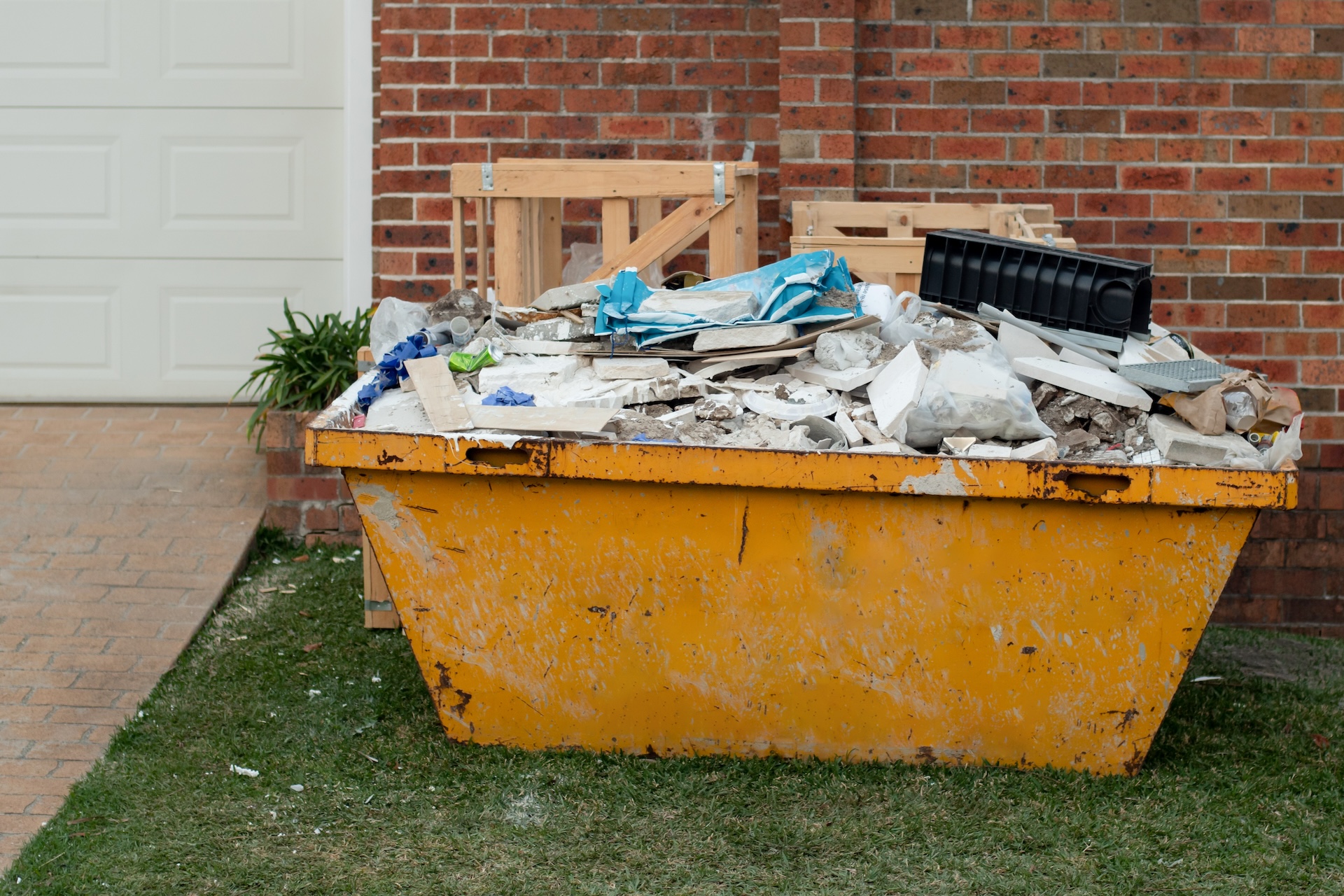
Choosing the right size skip bin is the single most important decision when hiring one. Get it right and the job runs smoothly; get it wrong and you’ll either run out of room or pay for space you don’t use. A little thought upfront saves money and hassle.
Here’s a guide to choosing the right skip bin size for your job.
Why Size Matters so Much
The size of your skip determines whether it comfortably holds your waste and how much you pay. A bin that’s too small means you run out of space, potentially needing a second one, while an oversized bin means paying for room you don’t fill.
Getting the size right the first time is the key to value and convenience. It’s worth taking a moment to estimate your needs properly rather than guessing, since the size drives both the cost and how smoothly the job goes.
Think About the Type of Job
Different jobs produce very different amounts of waste. A small garden clean-up or decluttering a room generates far less than a full renovation or clearing out an entire house.
Thinking about the nature and scale of your job is the starting point for sizing. Being realistic about how much you’re actually clearing out helps you land on a bin that fits, rather than one chosen on a hopeful guess.
Smaller Bins for Modest Jobs
Smaller skip bins suit modest jobs, such as a small clean-up, a single room, garden waste, or getting rid of a limited amount of general rubbish. They’re the economical choice when you don’t have a lot to dispose of.
If your job is contained and you’re confident the volume is low, a smaller bin keeps costs down. Just be honest about the amount, since underestimating is a common and costly mistake.
Medium Bins for Bigger Clean-Outs
Medium-sized bins are a popular middle ground, suited to larger clean-outs, the contents of a room or two, or moderate renovation waste. They offer a good balance of capacity and cost for many common jobs.
For a decent-sized project that’s more than a quick tidy-up but not a whole-house clearance, a medium bin often hits the sweet spot. It’s a versatile choice that covers a lot of typical household jobs.
Large Bins for Major Projects
Large skip bins are designed for substantial jobs, such as major renovations, big clean-outs, or clearing large volumes of waste. They provide plenty of room so you’re not constantly worrying about space.
For a significant project, a large bin saves the hassle and expense of filling a smaller one and needing another. When the job is big, the capacity of a large bin is usually the practical and economical choice.
Consider the Weight Too
Size isn’t only about volume, as weight matters as well, especially for heavy materials like soil, concrete, bricks, and tiles. These are dense and can hit weight limits well before the bin looks full.
If your waste is heavy, it’s worth discussing this with the provider, as a dedicated heavy-materials bin may be appropriate. Being mindful of weight helps you avoid unexpected charges and choose the right bin for the material.
When in Doubt, Size Up
If you’re genuinely torn between two sizes, it’s usually smarter to go with the larger one. Running out of space means arranging a second delivery and collection, which costs more than simply hiring a bigger bin in the first place.
People almost always generate more waste than they expect, particularly with renovations. Sizing up gives you breathing room and is often the more economical choice once you account for the cost of coming up short.
Getting It Right
Choosing the right skip bin size comes down to honestly assessing your job, understanding what each size suits, keeping weight in mind, and sizing up when unsure.
Get the size right, and skip bin hire becomes a simple, cost-effective way to handle your waste. A little planning upfront ensures the bin fits the job and your budget, turning a daunting clean-up into an easy one.