Table of Contents
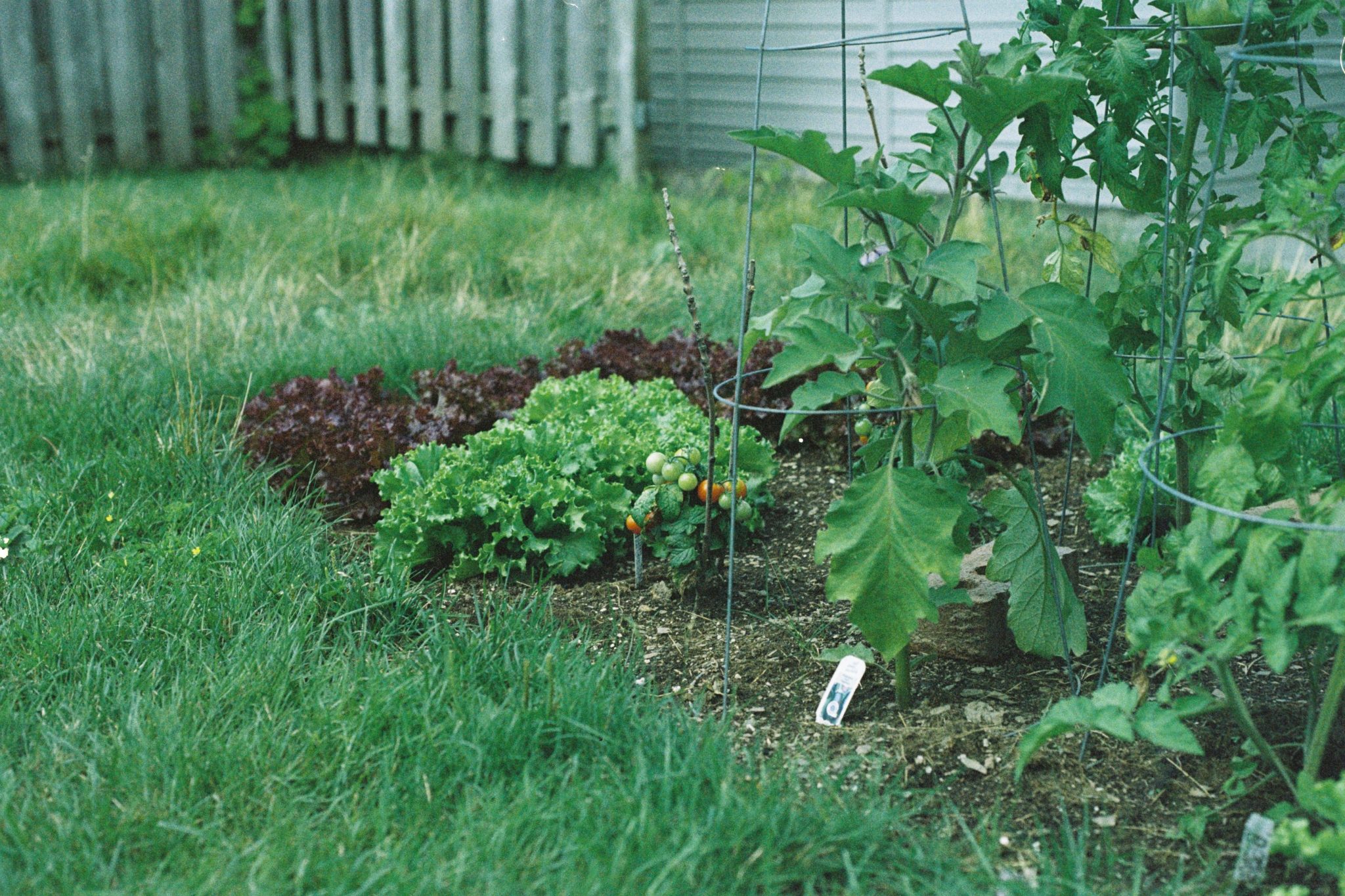
A garden path usually begins as a line between two places: the back door and shed, the gate and patio or a seating area and the rest of the garden. Choosing an attractive paving material is the enjoyable part, but the route has to work through wet weather, daily errands and years of ordinary use.
Deciding how the path will function before buying the stone helps avoid compromises later. Width, drainage, level changes and the relationship with planting all affect the result.
A beautiful surface cannot compensate for a route that is awkward to waalk or a construction detail that directs water towards the wrong place.
Trace the journeys people already make
Watch how the garden is used for a few days. People may take a direct line to the bins, cut across the lawn to reach the shed or walk around furniture when carrying washing. These ordinary movements provide useful evidence. A decorative curve may look appealing on a drawing but feel inconvenient if it interrupts a frequent practical journey.
Mark a proposed route temporarily with a hose or another safe, visible guide. Walk it while carrying something similar to what you normally move through the garden. Consider the space needed for a wheelbarrow, mobility aid or two people passing, according to the household’s requirements. Avoid settling on a width simply because it divides neatly into a particular slab size.
Think about doors, gates and furniture at each end. A path can be comfortable along its length yet become awkward where a gate swings across it or a chair blocks the approach. Those junctions deserve as much attention as the view from the house. Adjusting the layout at this stage is easier than changing a finished paved surface.
Understand the site in wet weather
Look for places where water already gathers and consider where it will go after the path is built. A hard surface changes how rain moves through a garden. The paving, joints, supporting layers and surrounding ground work together, so a surface should not be assumed permeable simply because it has visible gaps.
Discuss drainage and finished levels with the contractor. The design should take account of the building, neighbouring land and the capacity of the proposed drainage destination. Where permission or specialist input is needed, establish that before construction. Do not rely on directing water towards a convenient boundary without understanding the consequences.
Roots and existing features also influence the route. If excavation may affect a mature tree, seek appropriate arboricultural advice before agreeing the work. A small change in alignment can sometimes remove a conflict, but the right solution depends on the site. The path should be designed around real constraints rather than treating unexpected roots or services as obstacles to clear later.
Choose a surface for the setting and the user
Once the route and construction requirements are clearer, compare materials in the conditions where they will be used. Consider texture, the evenness required by the household and how the surface looks when wet. A sample viewed indoors may give a different impression from the same stone beside the garden’s brickwork and planting.
For a setting that suits an established appearance, Reclaimed Yorkstone Paving offers an option with individual variation. Discuss the supplied sizes, thicknesses and surface characteristics with the supplier and installer. Reclaimed material should be assessed as the actual batch being purchased, rather than assuming every piece will match a photograph.
Variation can be part of the appeal, but it needs planning. Ask how the layout will accommodate different dimensions and how the installer will achieve the agreed walking surface. Check what quantity allows for the proposed pattern and necessary cutting. Keep the discussion focused on the finished path’s use as well as its appearance.
Agree the construction details and future care
Ask the contractor to explain the proposed build-up in terms you understand. Ground preparation, support, bedding, joints and edges affect how the path performs. A quotation that describes only the visible stone leaves important parts of the job unclear. Record the agreed work, including disposal, access and reinstatement of surrounding areas.
Think through the building phase too. Where will deliveries be placed and how will materials reach the work area? Can the household still reach the shed or use the gate safely? Protecting retained planting and keeping access workable are practical parts of the project, even though they will not appear in the finished photograph.
Check the meeting points before work starts
Spend time on the places where the new path meets something already in the garden. A lawn edge, step, drain cover or existing patio can complicate an otherwise simple layout.
Ask the installer to show how each junction will be finished and how the different levels will work together. A quick discussion on site is often clearer than assuming that a line on the drawing explains the detail.
Consider the way planting will change around those edges. A narrow border may look tidy immediately after construction but become crowded as plants mature.
Allow for the intended growth and for access needed to maintain the path. Where planting is being retained, agree how it will be protected while materials are moved and the supporting layers are prepared. This gives the contractor a practical boundary to work within.
Before placing the full materials order, bring the route, sample choice and agreed construction details together for one review. Confirm the area being paved, any changes made during site discussions and who will resolve an unexpected problem. Keep that record with the quotation.
It gives everyone the same reference when work begins and helps prevent a small assumption about an edge or level from becoming a decision made in a hurry.
Before handover, ask about cleaning and maintenance suitable for the chosen stone and jointing. Avoid assuming that aggressive pressure washing or a strong chemical cleaner is appropriate.
Follow the supplier’s guidance and deal with leaves and accumulated debris as part of routine care. Inspect changes in level or damaged joints rather than allowing small defects to become familiar inconveniences.
A well-planned garden path makes everyday movement easier while fitting the character of its surroundings. Starting with the route, site and user gives the material choice a clear purpose.
The resulting surface can then be attractive and useful because the less visible decisions have been considered with equal care.