Table of Contents
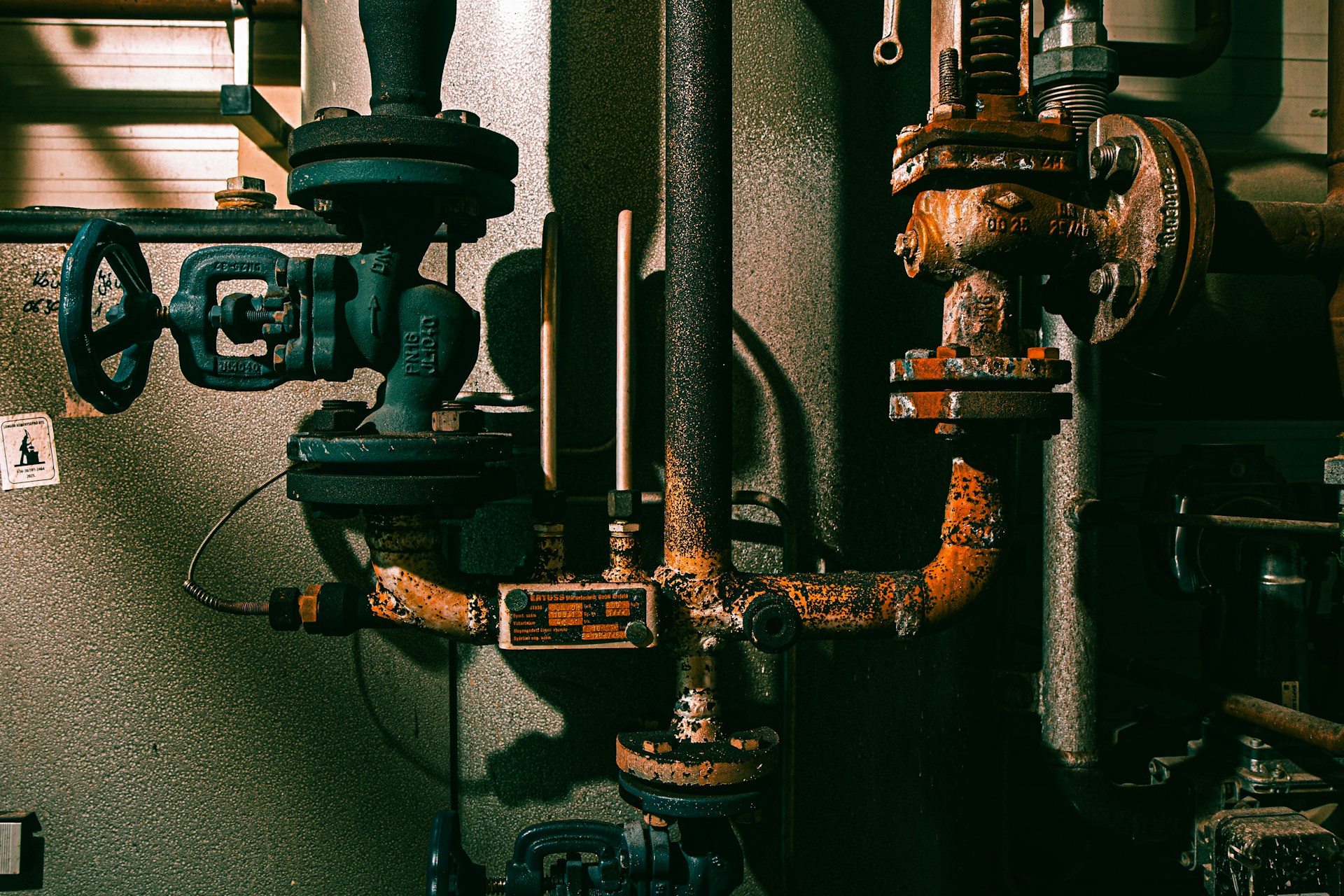
Most homeowners only think about their plumbing system when something goes wrong. A dripping tap, a blocked drain, or a sudden drop in water pressure tends to bring attention to the network of pipes and fixtures hidden behind walls and beneath floors. However, understanding the basics of your home’s plumbing system can help you prevent costly problems, respond quickly to emergencies, and maintain the efficiency of your household water use.
Whether you live in a new build or an older home, having a general understanding of how your plumbing works can make everyday maintenance far easier. Working with experienced professionals like the team at Plumbform can also help ensure that your system stays reliable, safe, and compliant with Australian plumbing standards.
Below are some key things every homeowner should know about their plumbing system.
The Main Components of a Household Plumbing System
A residential plumbing system typically consists of three primary components: the water supply system, the drainage system, and the fixtures and appliances connected to both.
Water Supply
The water supply system brings fresh water into your home through pressurised pipes. In Australia, this water typically enters the property through a mains connection managed by the local water authority. From there, pipes distribute water to different parts of the house including bathrooms, kitchens, laundries, and outdoor taps.
Your water supply system includes:
- Main water line
- Internal distribution pipes
- Valves and shut-off points
- Hot water system
- Fixtures such as taps, showers, and appliances
Because this system operates under pressure, even small leaks can waste significant amounts of water if left unnoticed.
Drainage and Wastewater
Once water has been used in sinks, showers, toilets, or appliances, it flows through a separate drainage system. Unlike the pressurised supply pipes, these pipes rely on gravity to move wastewater away from your home.
The drainage system includes:
- Waste pipes from sinks, showers, and appliances
- Sewer pipes connecting to the municipal sewer or septic system
- Vent pipes that regulate pressure within the plumbing system
Vent pipes are often overlooked but play an essential role in preventing unpleasant odours and allowing wastewater to flow smoothly through the pipes.
Fixtures and Appliances
Fixtures are the visible parts of your plumbing system, such as taps, basins, toilets, showers, and bathtubs. Appliances like dishwashers, washing machines, and hot water systems are also integrated into the plumbing network.
Because these are the components used daily, they are often the first areas where signs of plumbing issues appear.
Knowing Where Your Main Shut-Off Valve Is
One of the most important pieces of plumbing knowledge a homeowner can have is the location of the main water shut-off valve.
In the event of a burst pipe or major leak, shutting off the water supply quickly can prevent serious damage to floors, walls, and cabinetry. Many homeowners only learn where this valve is during an emergency, which can waste precious time.
Typically, the main shut-off valve is located:
- Near the water meter
- At the front boundary of the property
- Occasionally inside the home, near where the water line enters
It is a good idea to test the valve occasionally to ensure it works properly.
Understanding Your Hot Water System
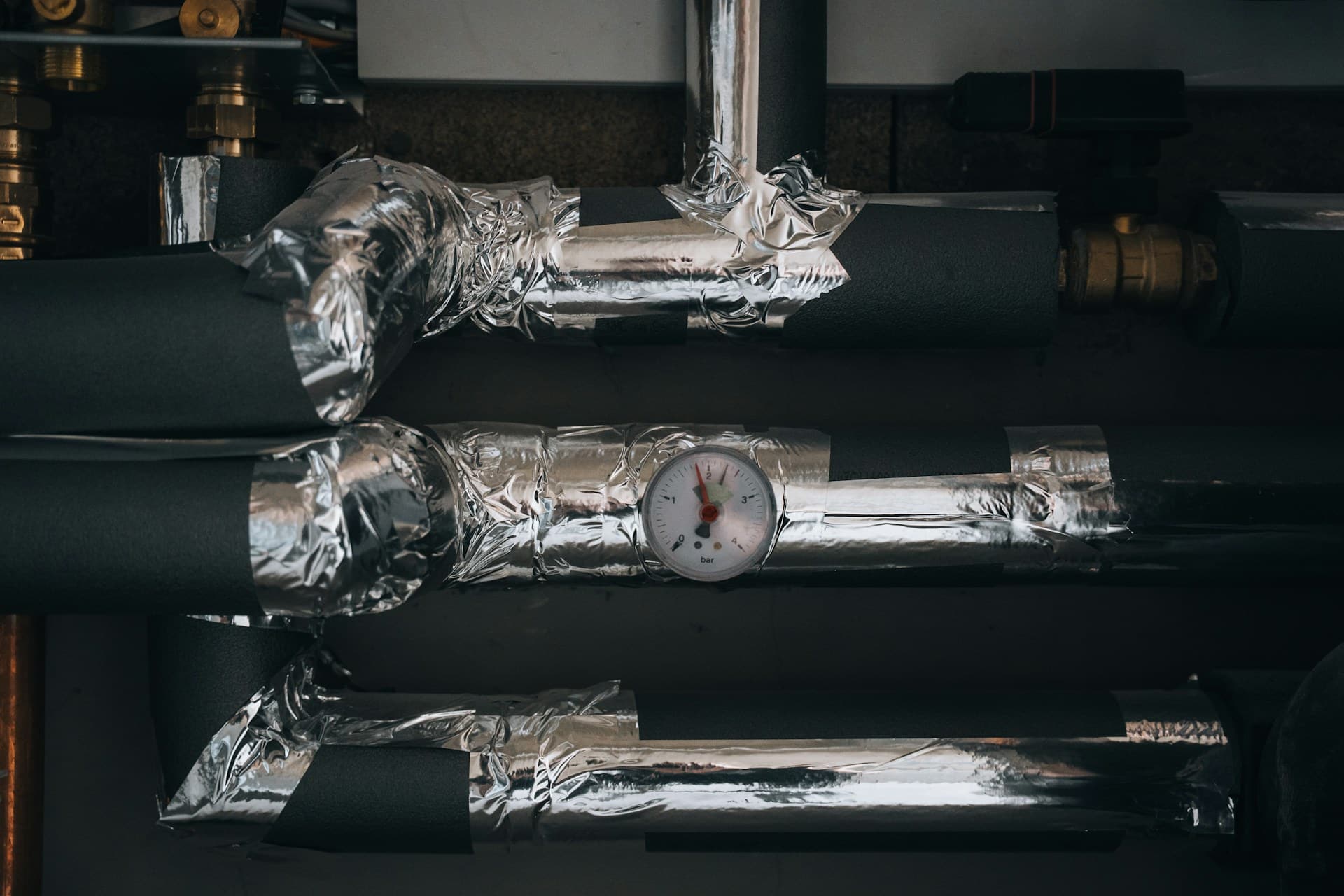
Hot water systems are one of the most important plumbing appliances in any home. In Australia, common types include:
- Electric storage systems
- Gas storage systems
- Instantaneous gas systems
- Heat pump systems
- Solar hot water systems
Each system has different maintenance requirements, operating costs, and lifespans. For example, storage systems rely on tanks that may eventually develop sediment build-up, while instantaneous systems heat water on demand and require periodic servicing to maintain efficiency.
Regular maintenance helps ensure that hot water systems operate safely and deliver consistent performance.
Recognising Early Signs of Plumbing Problems
Small plumbing issues often appear long before a major failure occurs. Learning to recognise these early warning signs can help homeowners address problems before they become expensive repairs.
Common warning signs include:
- Unexplained increases in water bills
- Reduced water pressure
- Slow draining sinks or showers
- Damp patches on walls or ceilings
- Unpleasant odours near drains
- Gurgling sounds in pipes
These symptoms may indicate hidden leaks, blocked drains, or ventilation problems within the plumbing system.
The Importance of Preventative Maintenance
Preventative maintenance is one of the most effective ways to extend the life of your plumbing system. While many homeowners wait until a problem appears, regular inspections can identify potential issues before they escalate.
Some helpful maintenance habits include:
- Cleaning drains regularly to prevent build-up
- Checking exposed pipes for leaks or corrosion
- Flushing hot water systems when recommended
- Inspecting outdoor taps and irrigation lines
- Monitoring water pressure levels
Professional plumbers can also perform periodic system checks to identify early signs of wear or damage.
Being Careful About What Goes Down the Drain
Many plumbing blockages occur because of everyday habits in kitchens and bathrooms.
Items that commonly cause blockages include:
- Cooking grease and oils
- Coffee grounds
- Food scraps
- Hair and soap residue
- Wet wipes and hygiene products
Even products marketed as “flushable” can create significant plumbing problems over time. Installing sink strainers and disposing of waste properly can significantly reduce the risk of blocked pipes.
Water Pressure Matters More Than You Might Think
High water pressure may feel great in the shower, but excessive pressure can strain pipes, fixtures, and appliances.
If water pressure is too high, it may lead to:
- Pipe leaks
- Damaged tapware
- Shortened appliance lifespan
- Increased water consumption
In many homes, pressure-limiting valves are installed to regulate incoming water pressure and protect the plumbing system.
When to Call a Professional Plumber
While homeowners can handle simple tasks such as replacing washers or clearing minor drain blockages, many plumbing issues require professional expertise.
You should contact a licensed plumber if you experience:
- Persistent drain blockages
- Burst pipes
- Water heater malfunctions
- Sewer line issues
- Significant water leaks
- Gas plumbing problems
Licensed plumbers ensure that all work complies with Australian safety standards and building regulations.
Why Plumbing Knowledge Saves Time and Money
Understanding the basics of your home’s plumbing system allows you to detect issues early, prevent avoidable damage, and make informed decisions when maintenance or repairs are needed.
While homeowners don’t need to become plumbing experts, having a practical awareness of how water moves through the home can make a significant difference in maintaining a safe and efficient household.
With proper care, regular maintenance, and support from qualified professionals when needed, your plumbing system can remain reliable for decades.